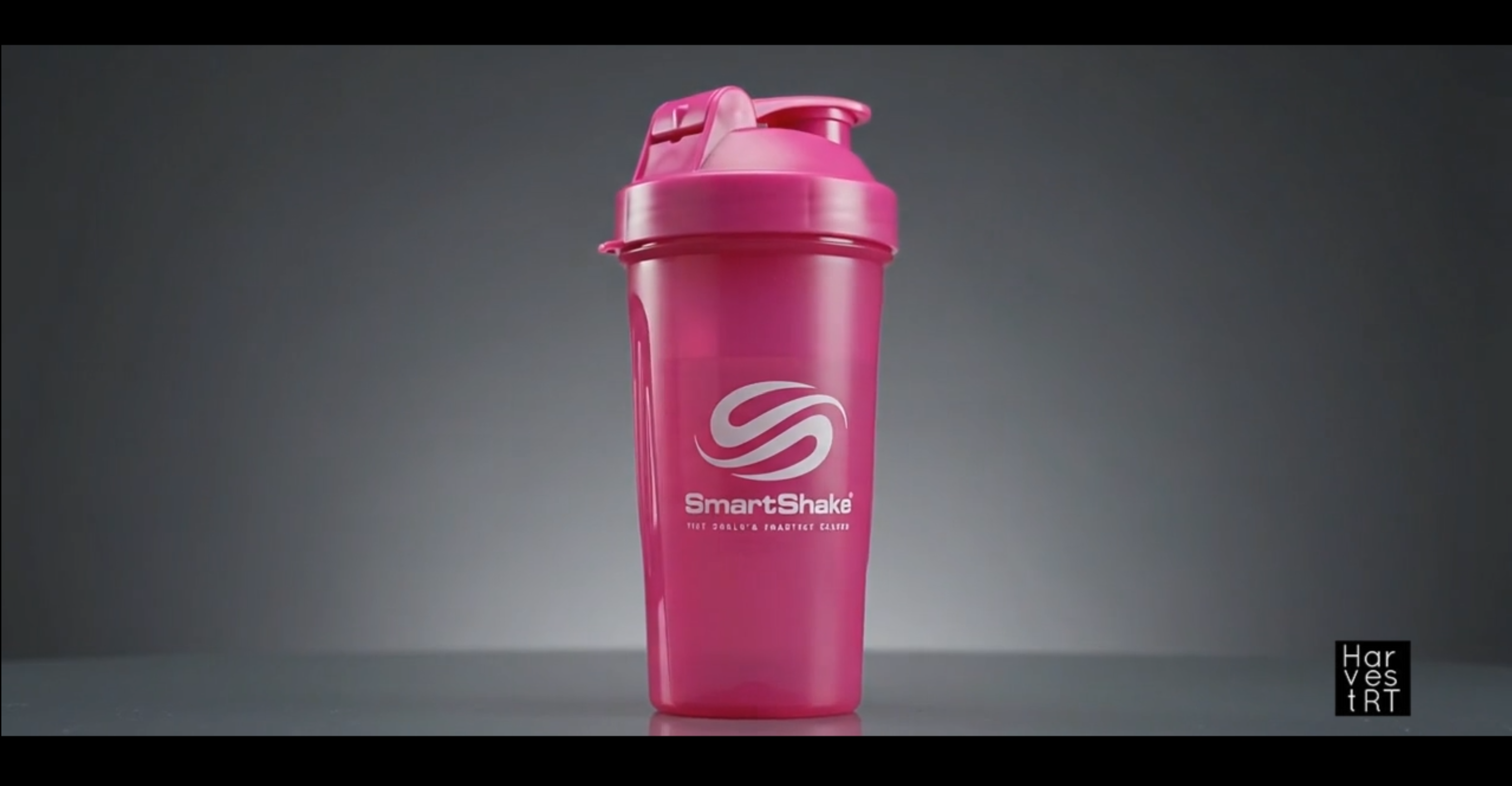

A few years ago, an AI-generated ad was a curiosity, something a brand ran once to prove it was paying attention to new technology. That framing is gone now. AI-assisted production is quietly showing up in the ordinary workflow of agencies and in-house teams, not as a stunt but as a line item that makes the budget stretch further.
From Novelty to Normal
The shift happened faster than most of the industry expected. Image generation tools went from producing obviously synthetic, slightly uncanny visuals to output that a viewer scrolling past on a phone screen genuinely cannot distinguish from a photograph. Video generation followed the same curve a little behind, and short cinematic sequences generated from a prompt or a reference image are now good enough to appear in real campaigns, not just demo reels.
We work with these tools directly across our own production pipeline, so this isn't an outside observation. It's a description of how the work actually gets done now.
What AI Actually Does Well Right Now
Two categories have matured enough to be genuinely production-ready. The first is product visualization: photorealistic renders of a product in a setting, lit and composed convincingly, generated in minutes rather than scheduled as a studio shoot weeks out. The second is short cinematic sequences, brief brand films with movement, mood, and atmosphere that would previously have required a camera crew, a location, and a VFX pass.
Neither of these replaces a full production. But for a huge amount of everyday advertising content, the kind that fills out a social calendar rather than anchors a national campaign, they are already good enough to use as-is.
What's Still Genuinely Hard
Consistency across a sequence of shots remains the hardest unsolved problem. Keeping a character's face, a product's exact packaging, or a brand's specific color identity perfectly consistent across many generated frames still takes real craft and often manual correction, not a single prompt. Genuine emotional performance is also still out of reach. A generated face can look photorealistic and still not carry the specific, deliberate emotional beat a director asked an actor for.
The gap between "looks real" and "says the right thing correctly" is where most AI advertising work still needs a human hand, not less of one.
The Economics Have Actually Changed
This is the part that matters most for brands making budget decisions today. Production values that used to require a national-brand-sized budget, a full crew, location fees, and weeks of post-production, are now reachable by teams with a fraction of that spend. That doesn't mean quality is now free. It means the floor has risen. A small brand's product render can now sit next to a large brand's in the same feed and not look obviously outmatched.
What Doesn't Disappear
None of this removes the need for someone who knows what a brand should look and sound like. A generative model will happily produce a technically flawless image that is completely wrong for the brand voice, because it has no idea what that voice is supposed to be. The tools generate options at a scale nobody could have afforded before. Deciding which option is actually right is still, entirely, a human judgment call.
In practice, the studios doing this well aren't the ones who removed people from the process. They're the ones who moved people up the chain, from executing every frame by hand to directing and curating a much larger set of AI-generated options.
What This Means For Brands Right Now
If a brand's advertising budget has historically ruled out cinematic product visuals or short brand films, that constraint is a lot softer than it used to be. The honest advice is not to chase every new AI capability for its own sake, but to treat it the way any other production tool gets treated: useful when it serves the brand, skipped when it doesn't fit, and always filtered through someone whose job is knowing the difference.