
Over the years we have delivered for some of the most demanding clients in the industry. Different briefs, different mediums, different pressures. Each project sharpened the same core discipline: how to ship work that cannot afford to be wrong.
Here is what stuck.
1 · The Brief Is Never The Whole Story
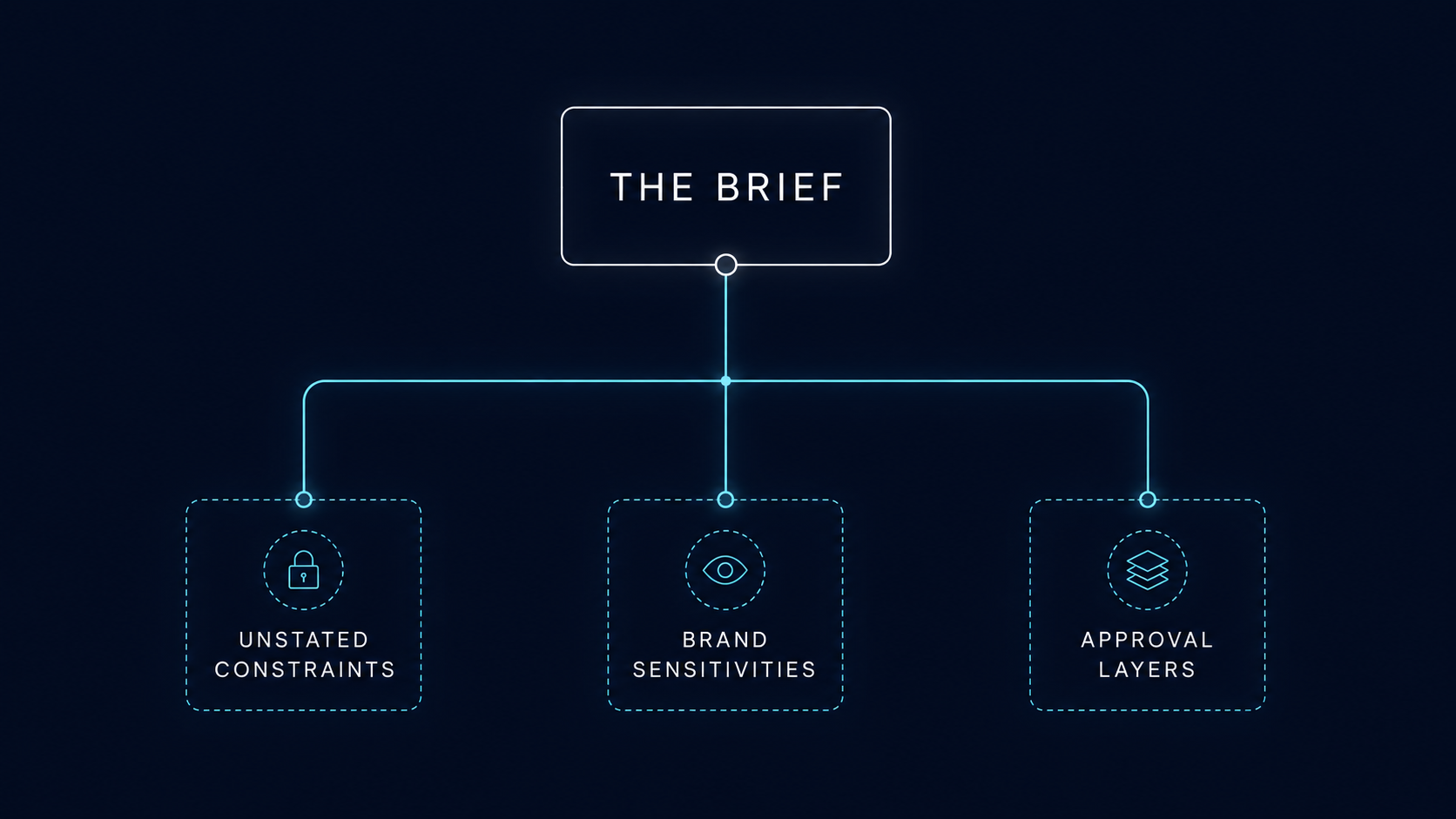
A brand like SEGA does not just want an asset. It wants something that protects decades of IP equity. Ubisoft does not just want a render. It wants continuity with a universe players already know intimately. Audi does not just want a visual. It wants precision that matches an engineering culture built on tolerances measured in millimeters.
In every case, the written brief was the floor, not the ceiling. The real work started with the questions underneath it: what can't change, what's sacred, what will get flagged three approval layers up that nobody mentioned in the kickoff call.
2 · Speed And Correctness Are Not Opposites
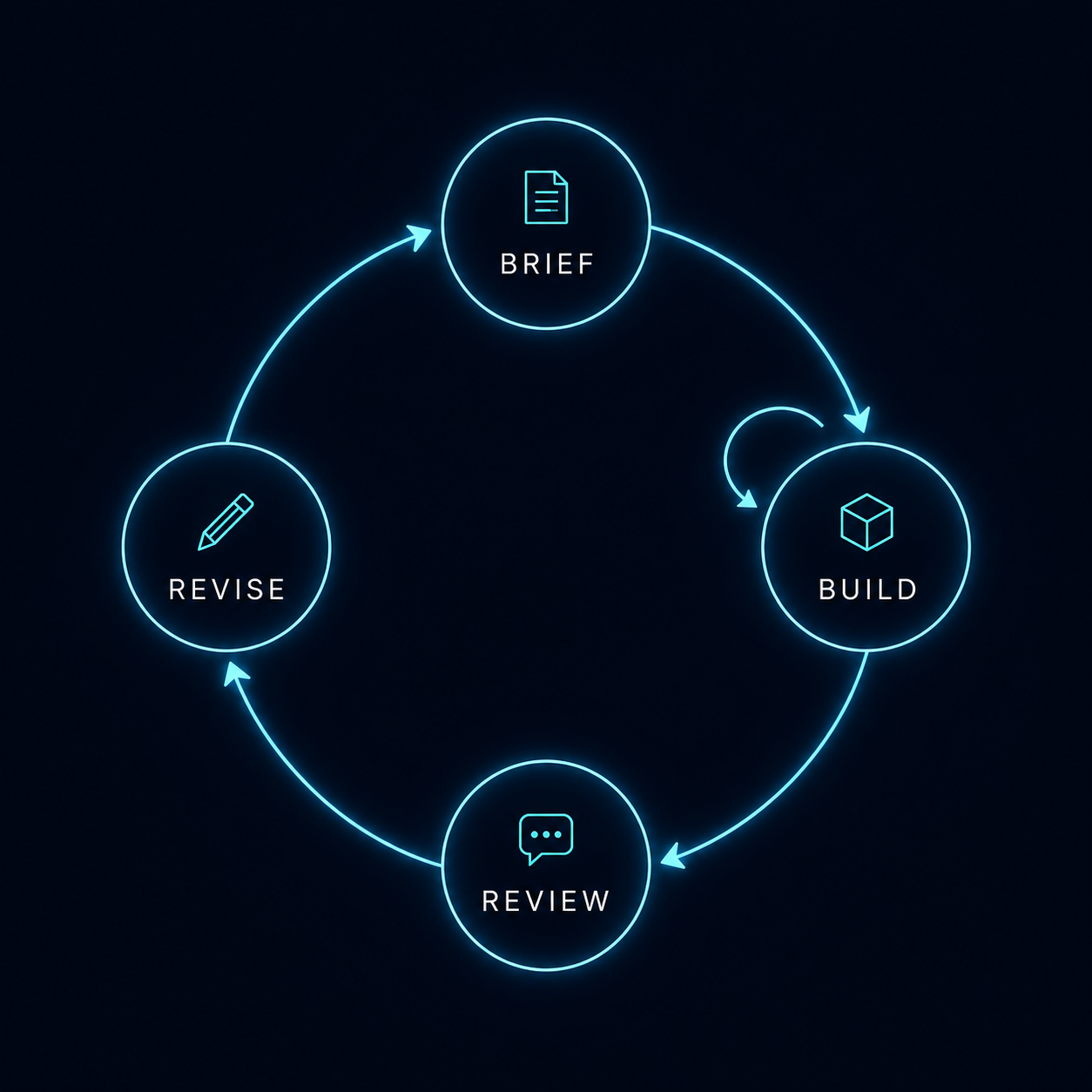
High-stakes clients move fast. Timelines are tight because the business decisions around them are bigger: a launch date, a campaign window, a trade show. The instinct is to assume speed forces compromise.
It doesn't, if the pipeline is built for it. Real-time workflows exist for exactly this reason. They let iteration happen at the speed conversations happen, so revisions aren't a scheduling event. They're immediate. The fastest way to hit a hard deadline is to remove the lag between feedback and the next version, not to cut corners on the version itself.
3 · Every Deliverable Has A Hidden Reviewer
A gaming giant has legal, brand, and creative leads all signing off separately. An automotive brand has engineering accuracy checked against reference the vendor never sees. Consumer-facing work for a name that size passes through more eyes than the brief ever lists.
Build as if the strictest possible reviewer is watching, even when they're not named. It changes how carefully color, proportion, and detail get treated.
4 · Trust Is Earned In The Small Deliverables First
Nobody hands over a flagship asset on day one. The path in was always the same: a smaller piece, delivered clean, on time, with no drama, then a bigger one. High-stakes trust isn't granted. It's compounded. Every unremarkable, well-executed delivery is what makes the next, bigger one possible.
5 · Constraints Are Information, Not Obstacles
Brand guidelines, engineering specs, franchise lore. These can look like limits on creativity. They're actually the fastest way to a good outcome, because they tell you exactly what "good" means to the people who will judge it. The projects that went sideways were never the ones with the most constraints. They were the ones where the constraints were unclear.
What This Comes Down To
Working across gaming and automotive, two industries with almost nothing in common on the surface, shows what "high-stakes" actually means in practice. It comes down to how little room there is for a wrong guess, and how much the process has to absorb that pressure so the final delivery doesn't show any of it.
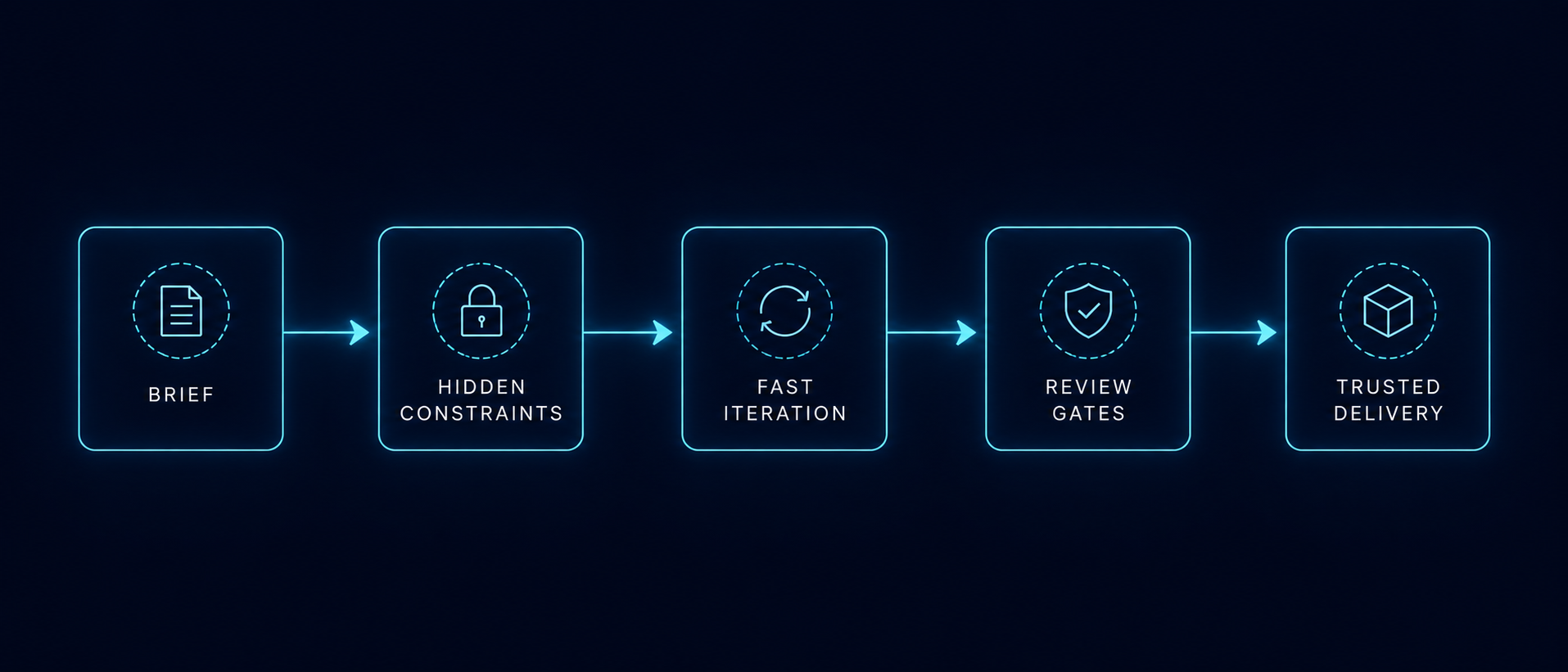
That's the standard every project gets held to now, regardless of who's on the other end of the brief.